
Introduction
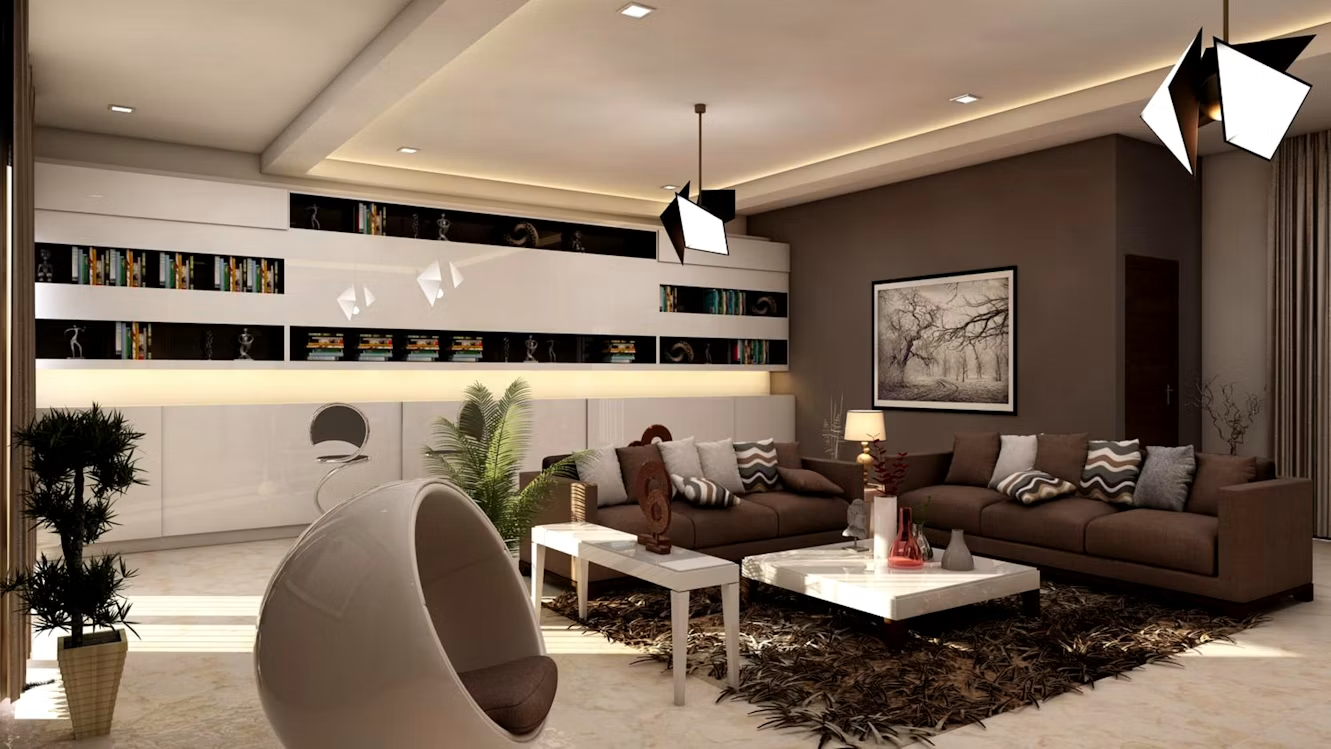
A well-decorated home does more than look attractive. The right combination of furniture, lighting, colour, textures, storage, and accessories can make rooms feel more comfortable and work better for everyday life. www rapidhomedirect .com can be used as a starting point for exploring practical ideas for different areas of the home.
Good home decor does not require every room to follow the same style or a large budget. A thoughtful approach begins with understanding how a space is used, what needs to be improved, and which changes will have the greatest practical effect.
Start With How the Room Is Used
Before choosing paint colours or decorative accessories, consider the purpose of the room.
A living room used for family gatherings may need flexible seating, durable surfaces, and layered lighting. A bedroom usually benefits from a calmer arrangement, adequate storage, and lighting that supports relaxation. Dining areas need enough space for movement around the table, while home offices require comfortable working conditions and practical organisation.
A simple starting checklist is:
- What activities happen in the room?
- Who uses the space most often?
- What currently feels inconvenient?
- Where is additional storage needed?
- Does the room receive natural light?
- Which existing furniture should remain?
- What changes can realistically fit the available budget?
This prevents decorative decisions from becoming disconnected from everyday needs.
Build a Balanced Colour Scheme
Colour can influence how a room looks and how large or enclosed it feels. A successful scheme does not necessarily mean using several bold colours.
A practical approach is to establish three levels:
- Base colour: The dominant shade used on walls, larger furniture, or major surfaces.
- Supporting colour: A complementary shade introduced through furniture, curtains, rugs, or other substantial pieces.
- Accent colour: A smaller amount of colour used in cushions, artwork, accessories, or other details.
Neutral colours can provide a flexible foundation, while stronger shades can add character through smaller elements. Before committing to a large area, test paint or fabric samples in the actual room because natural and artificial light can change how colours appear.
Make Lighting Part of the Design
Lighting is often treated as a finishing touch, but it can influence both function and atmosphere.
A room may benefit from several types of lighting:
- General lighting for overall visibility
- Task lighting for reading, cooking, working, or other specific activities
- Accent lighting for highlighting artwork, architectural details, shelving, or decorative features
Instead of relying entirely on one ceiling fixture, consider how different light sources will work together. Floor lamps, table lamps, wall lights, and appropriately positioned fixtures can create a more adaptable environment.
Natural light should also influence furniture placement and window treatments. Heavy coverings may provide privacy but can reduce daylight, while lighter treatments can allow more natural light into the room.
Choose Furniture for Scale and Function
Furniture should fit the room physically and visually.
A large sofa may provide plenty of seating but can overwhelm a small living room. Conversely, furniture that is too small for a large space can leave the room feeling disconnected.
Before purchasing a major item, measure:
- The available floor area
- Doorways and hallways
- Stairways or lifts where relevant
- Existing furniture
- Walking routes
- Clearance around doors and windows
Create a simple floor plan if necessary. Even a rough drawing can reveal whether a proposed arrangement leaves enough room to move comfortably.
Function matters just as much as appearance. A storage ottoman, extendable dining table, shelving unit, or sofa bed may solve more than one household need without requiring additional floor space.
Add Texture for Visual Interest
A room can feel flat when most surfaces have similar finishes. Texture introduces variation without requiring numerous colours.
Useful examples include:
- Woven rugs
- Linen or cotton textiles
- Timber furniture
- Upholstered seating
- Ceramic accessories
- Glass elements
- Natural-looking materials
- Soft cushions and throws
Texture works particularly well when the colour palette is restrained. Several materials in related tones can create visual depth without making the room feel cluttered.
Use Accessories With Intention
Decorative accessories are most effective when they contribute to the overall composition rather than simply filling empty surfaces.
Artwork, mirrors, plants, books, cushions, vases, and other objects can help establish personality. However, too many small items can make a room appear busy and create unnecessary cleaning and maintenance.
Instead, group related objects and leave some open space around them. A few larger, purposeful pieces can often have more visual impact than many unrelated decorations.
Create Better Storage Without Sacrificing Style
Storage is an important part of home decor because clutter can affect how a room looks and functions.
Consider storage that matches the space and the objects being stored:
| Storage option | Useful for |
|---|---|
| Open shelving | Books, plants and display pieces |
| Closed cabinets | Items that should remain hidden |
| Baskets | Blankets, toys and everyday accessories |
| Storage benches | Seating combined with concealed storage |
| Wall-mounted units | Making use of vertical space |
| Under-bed storage | Seasonal or less frequently used belongings |
The goal is not simply to add more storage. It is to make frequently used items easy to access while keeping visual clutter under control.
Decorate Different Rooms According to Their Needs
Living Room
Start with seating and the main circulation route. Arrange furniture so conversation is comfortable and people can move through the room without constantly navigating around furniture.
A rug can help visually connect the seating area, while lamps and smaller accessories can add layers of light and texture.
Bedroom
Comfort should guide the design. Keep the bed as the visual anchor and consider bedside storage, suitable lighting, window coverings, and enough space to move around the furniture.
Use textiles and colours that create the atmosphere you want without making the room difficult to maintain.
Kitchen
Kitchen decor needs to work alongside practical requirements. Decorative objects should not interfere with food preparation, cleaning, or access to frequently used equipment.
Open shelving can display attractive items, while closed storage can help keep everyday clutter out of sight.
Bathroom
Bathrooms benefit from materials and accessories that suit a moisture-prone environment. Storage should keep toiletries organised, while mirrors and lighting can improve both function and appearance.
Home Office
A home office needs more than an attractive desk. Consider comfortable seating, suitable task lighting, cable management, storage, and a layout that provides enough working surface.
Common Decorating Mistakes to Avoid
Even attractive individual pieces can produce an awkward result when they do not work together.
Common problems include:
- Buying furniture before measuring the room
- Using too many unrelated colours
- Blocking natural light
- Choosing appearance over comfort
- Filling every empty surface
- Ignoring storage requirements
- Using only one type of lighting
- Purchasing accessories without considering the existing design
- Creating rooms that look good but are difficult to use
A useful rule is to make major functional decisions first and decorative decisions second.
Make Changes Gradually
A complete room makeover is not always necessary. Small changes can significantly alter the appearance of a space.
Start with the areas that cause the biggest problems. Repositioning furniture may improve circulation without costing anything. Changing lighting can alter the atmosphere. New cushions, curtains, a rug, artwork, or carefully selected accessories can refresh an established colour scheme.
If a room still feels unfinished, live with the changes for a while before buying more. This gives you a better idea of what is actually missing.
A Practical Home Decor Planning Checklist
Before starting a decorating project, consider:
- Purpose: What should the room help you do?
- Layout: Is there enough space to move comfortably?
- Furniture: Are existing pieces worth keeping?
- Colour: Does the palette suit the room’s natural light?
- Lighting: Are general, task, and accent lighting needs covered?
- Storage: Where will everyday items go?
- Materials: Are surfaces appropriate for how the room is used?
- Budget: Which improvements should happen first?
- Maintenance: Will the chosen materials and accessories be practical to care for?
This approach keeps decoration connected to real household needs instead of treating style as an isolated consideration.
Frequently Asked Questions
How can I make my home look better without a major renovation?
Start with furniture placement, lighting, colour coordination, textiles, artwork, and clutter reduction. These changes can refresh a room without altering its structure.
What should I choose first when decorating a room?
Begin with the room’s purpose and layout. Measure the available space, decide which furniture must remain, and establish practical requirements before selecting decorative details.
How many colours should a room have?
There is no universal number. A restrained palette with a dominant base, supporting tones, and a few accents is often easier to coordinate, but the appropriate combination depends on the room and personal preference.
How can I make a small room feel less crowded?
Prioritise appropriate-scale furniture, clear walking routes, useful storage, and visual openness. Mirrors and lighter finishes may also influence the perception of space, depending on placement and lighting.
Is expensive furniture necessary for good home decor?
No. Good results depend on proportion, layout, functionality, coordination, and maintenance as much as purchase price. A carefully planned room can combine existing furniture with a few well-chosen additions.
Conclusion
Effective home decor starts with the way people actually live in a space. Before buying accessories or following a particular trend, consider function, scale, lighting, storage, colour, and maintenance.
The most useful decorating changes are often the ones that solve a practical problem while improving the appearance of the room. By making decisions in that order, you can create spaces that feel personal, comfortable, and easier to use rather than simply filling them with decorative items.